Fit the real workflow
Design around actual users, responsibilities and decisions, including the difficult cases.
Software Development / Architecture · Product · Delivery
Internal tools, customer portals and software products, designed around the people who use them. Product thinking and full-stack engineering, with the operational detail considered from the start.
From £4,995 · Founder-led · UK-wide
System thinking
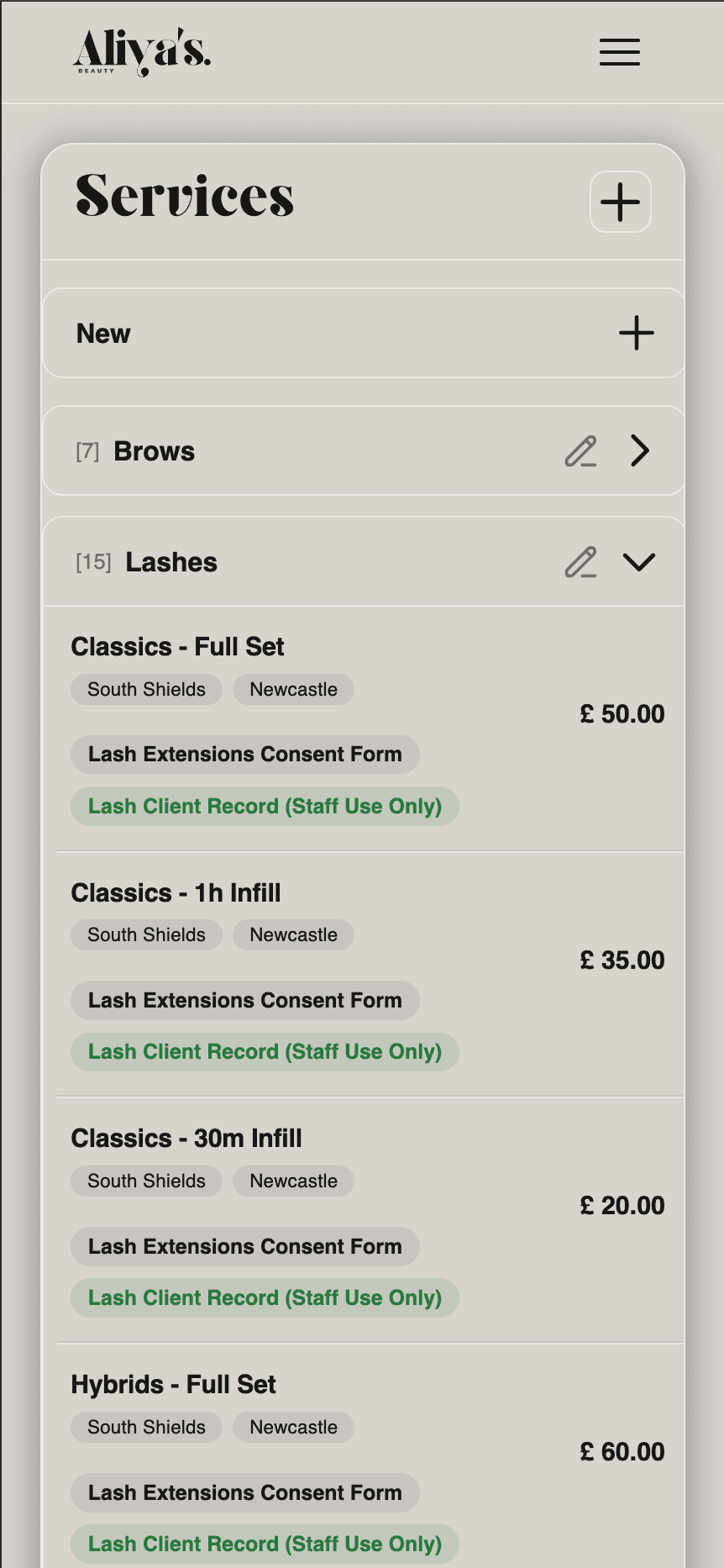
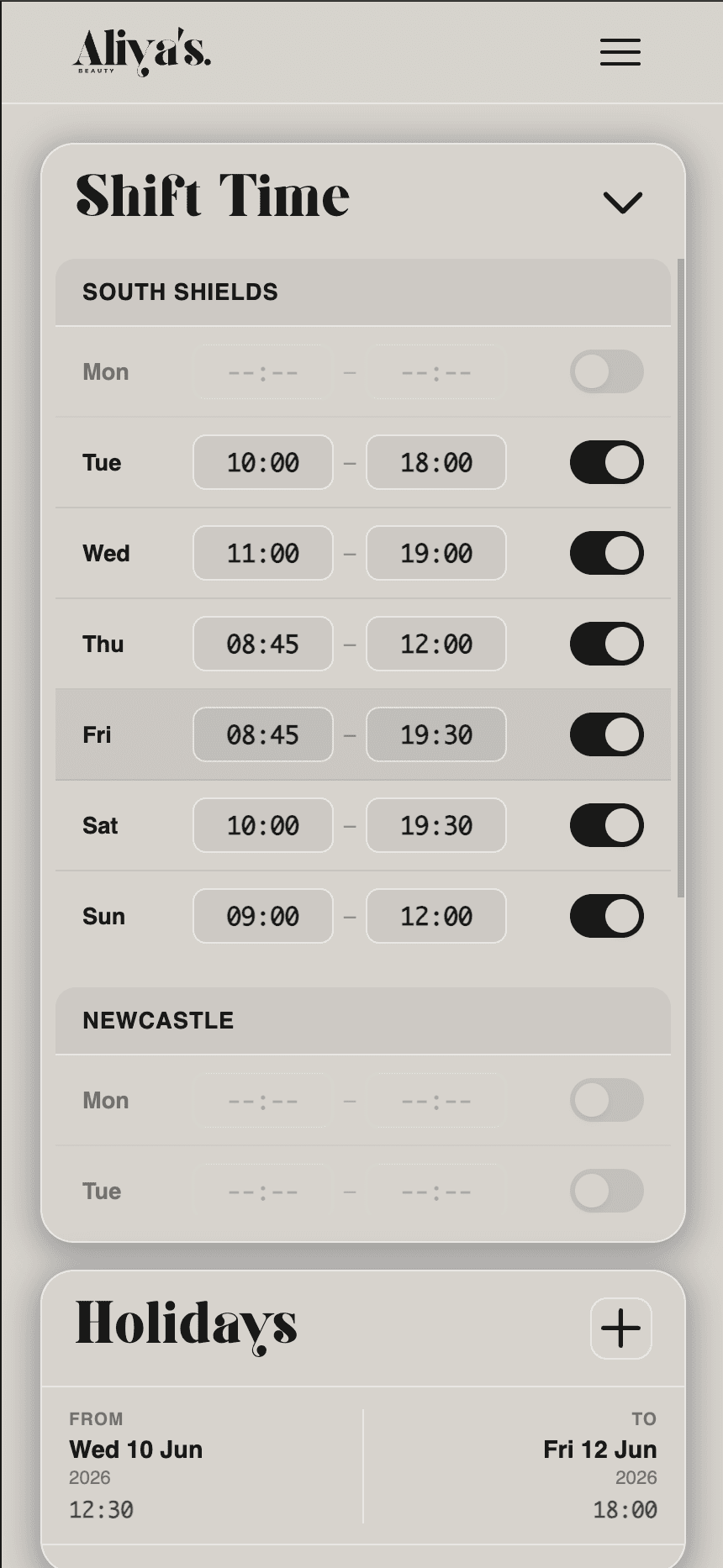
Portals, internal tools and operational platforms share auth, permissions, data and APIs. Discovery makes those decisions before the costly build.
The people buying or booking need a clear, permissioned interface.
Staff see the same records, rules and exceptions — not a parallel spreadsheet.
Existing systems stay in the picture. Ownership of each record is explicit.
Experience behind the work
Product engineering on multi-user operational software, alongside production engineering experience at Tesco Insurance.
About the studioThe opportunity
When people reconcile spreadsheets, switch between disconnected tools or maintain a process in memory, the problem often reaches beyond the website. We examine whether an existing product, an integration or a custom application is the sensible answer.
Established software is often the right starting point. Custom systems become useful when the remaining gaps in quoting, scheduling, accounts or operations justify a dedicated build.
Design around actual users, responsibilities and decisions, including the difficult cases.
Make data ownership, permissions and business rules explicit so people can trust the system.
Use clear architecture, documented decisions and a delivery plan that makes later changes manageable.
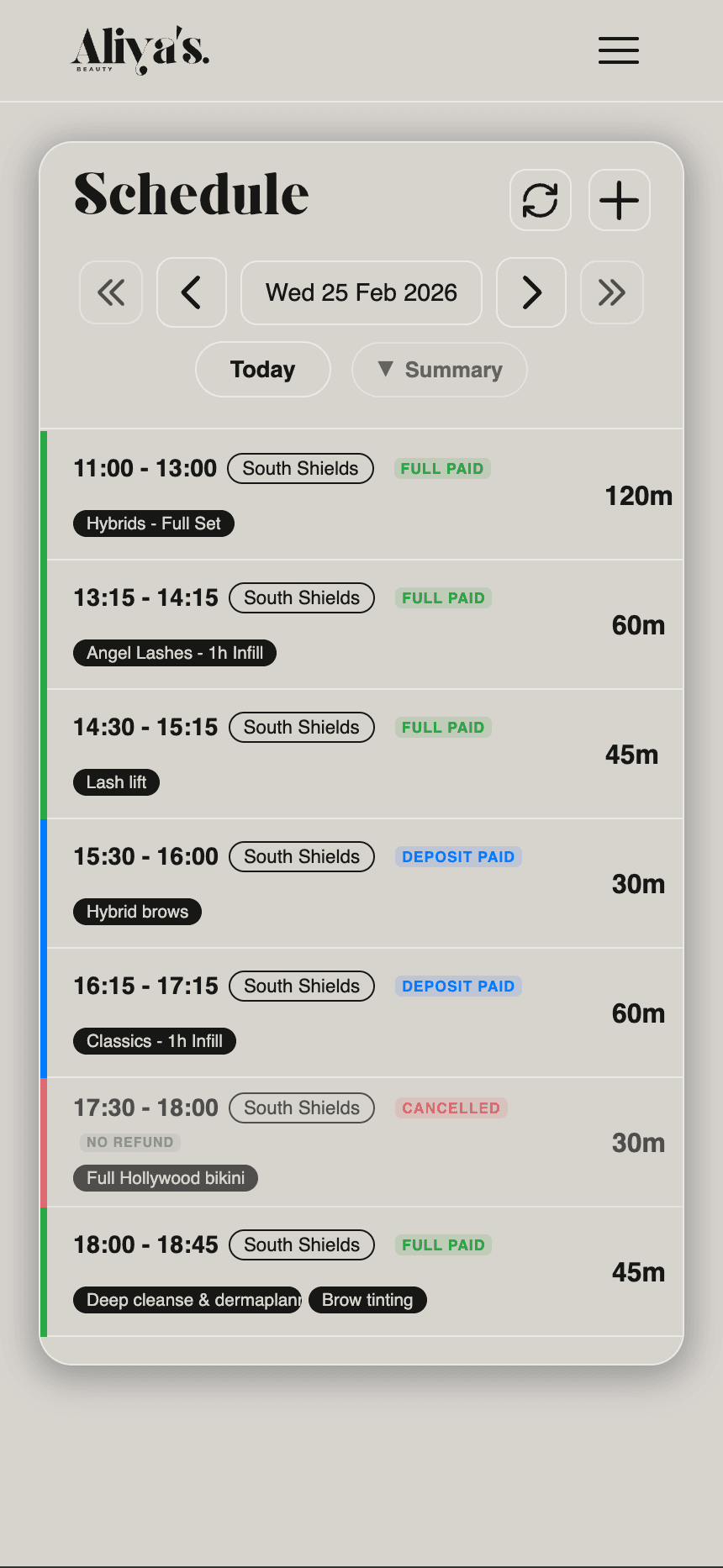
Working interface / Aliya’s Beauty
Treatment rules, staff availability and the diary are the same system. This is the detail that separates a custom build from a more expensive website.
What’s included
The proposal defines the exact deliverables. These are the areas we bring together, with responsibilities and dependencies agreed before work begins.
01
Map users, workflows, constraints and success criteria. Complex projects include a paid discovery sprint with a proposed architecture, data model, priorities and estimate.
02
Prototype the important journeys, then build the frontend, backend and APIs around agreed acceptance criteria. Working demonstrations help catch misunderstandings early.
03
Design access permissions, validation and integration behaviour. Agree migration, backups, monitoring and testing according to the system’s criticality.
04
Plan deployment, training, handover and ownership. Define support expectations, infrastructure costs and what happens when new requirements emerge.
At a glance
Engineering judgement
Discovery reduces uncertainty about what to build, how it connects and what it will take to run. It gives both sides a basis for deciding whether the project should proceed.
Users and workflows: who can do what, and where are the exceptions?
Architecture and data: what is stored, what integrates and what needs protection?
Delivery and cost: what goes into the first release, what follows and what will ongoing operation require?
Client software / Aliya’s Beauty
Treatment management, staff availability, booking and deposits give the salon a connected set of tools. The project shows the detail involved when a website becomes part of an operating system for the business.
Explore Aliya's BeautyPricing & scope
Starting prices give you a useful reference. The written proposal confirms what is included, what you need to supply and any ongoing costs.
Before the build
£750–£2,000
Process mapping, architecture, and scoped estimate for complex software.
Discuss discovery sprintProject
From £4,995
Typical range: £5,000–£12,000
Internal applications and customer portals when off-the-shelf tools stop fitting.
Discuss internal toolProject
From £7,500
Typical range: £8,000–£20,000
Workflow-heavy business systems scoped to how the operation actually runs.
Discuss bespoke softwareProject
From £9,995
Typical range: £10,000–£30,000+
Multi-user platforms and SaaS products with substantial scope.
Discuss platform / saasOngoing engagement
From £295/month
Ongoing support for software products and integrations.
Discuss software careDiscovery is £750–£2,000; any credit towards the build is agreed in the proposal. Internal tools typically range from £5,000–£12,000, business software £8,000–£20,000 and platforms £10,000–£30,000+. Complex systems can exceed these ranges. Infrastructure and support are scoped separately.
Delivery
You see progress at agreed checkpoints. Each stage has decisions, responsibilities and a concrete next step, so the project stays understandable.
Nasim leads the work and remains your point of accountability. Specialist involvement, review points and any changes to scope are agreed with you.
Is it the right fit?
If a smaller change, an existing product or a different service is a better starting point, we’ll explain why.
Connected services
Choose the next investment around the business need. These services connect naturally without being compulsory additions.
Questions
Scope, practicalities and the decisions worth making early.
For complex software, yes — £750–£2,000 maps the process and produces a scoped estimate. It may credit toward the build.
Modern web stack — typically Next.js, PostgreSQL, cloud hosting. We choose based on project needs.
Ownership, repository access, third-party licences and handover are set out in the proposal. We plan for a practical handover, including documentation and access to the agreed infrastructure, rather than making you dependent on undocumented knowledge.
We compare the request with the agreed scope, explain the cost and timing impact and obtain agreement before additional work. Milestones give you regular opportunities to review priorities.
Yes, after reviewing the code, access, architecture and current constraints. We can scope a defined feature, integration or product phase and agree how responsibility is shared with the existing team.
Software Care starts at £295/month, with scope based on the system’s needs. Monitoring, incident response, maintenance and feature development are explicitly agreed. Business-critical systems may need a larger support arrangement.
Larger projects begin with proper discovery and phased delivery. We establish the required capacity, specialist involvement, acceptance criteria and support needs before making a commitment. Published starting prices are not a ceiling.
Let’s make it work
Describe the process, the people using it and where the current tools stop helping. We’ll discuss fit and the right level of discovery before you commit to a build.
An initial conversation is free. Scope and costs come before a commitment.